
Capture The Magic Of The San Juan Islands







What To Expect While Out On The Water
Step Into the Salish Sea
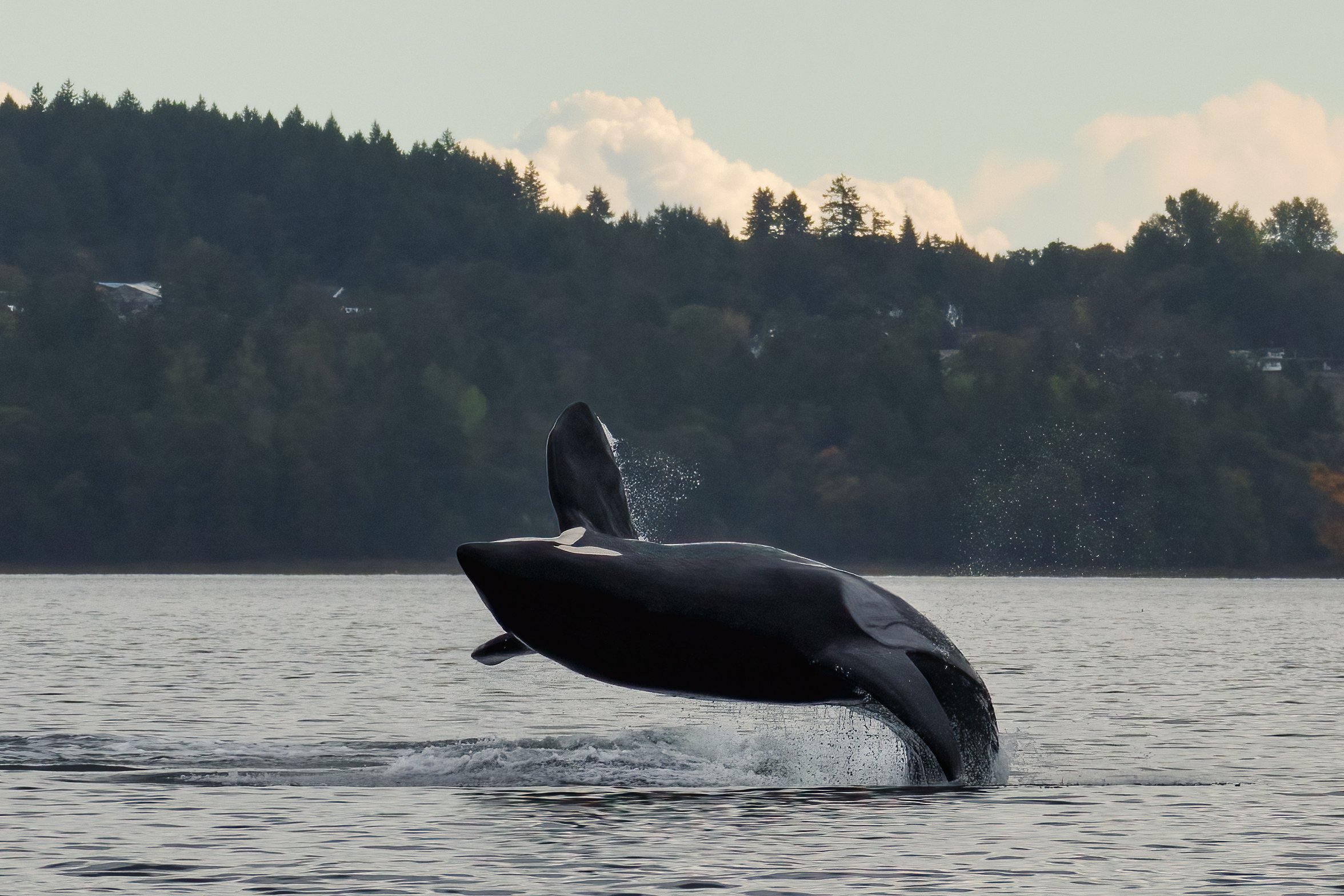
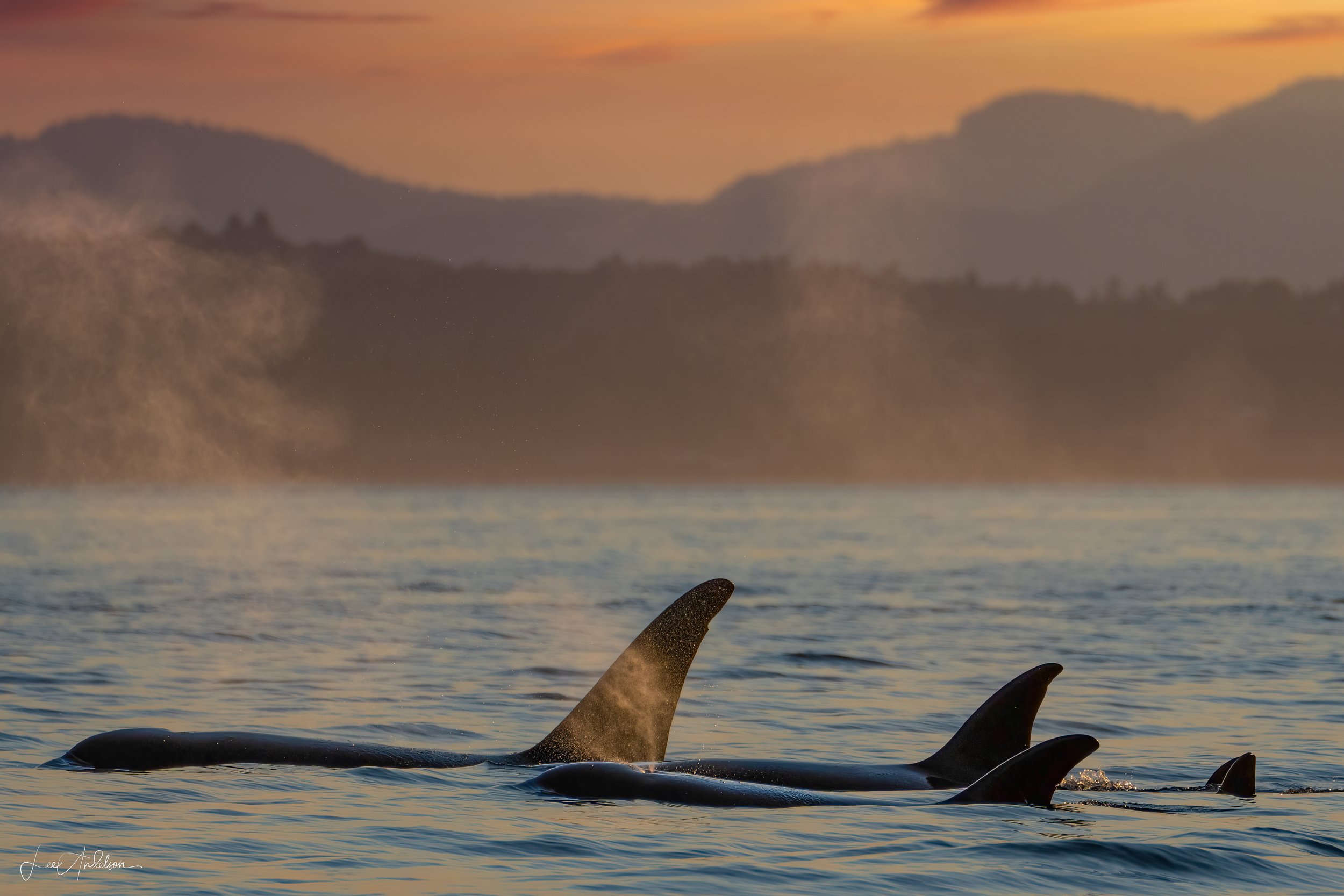
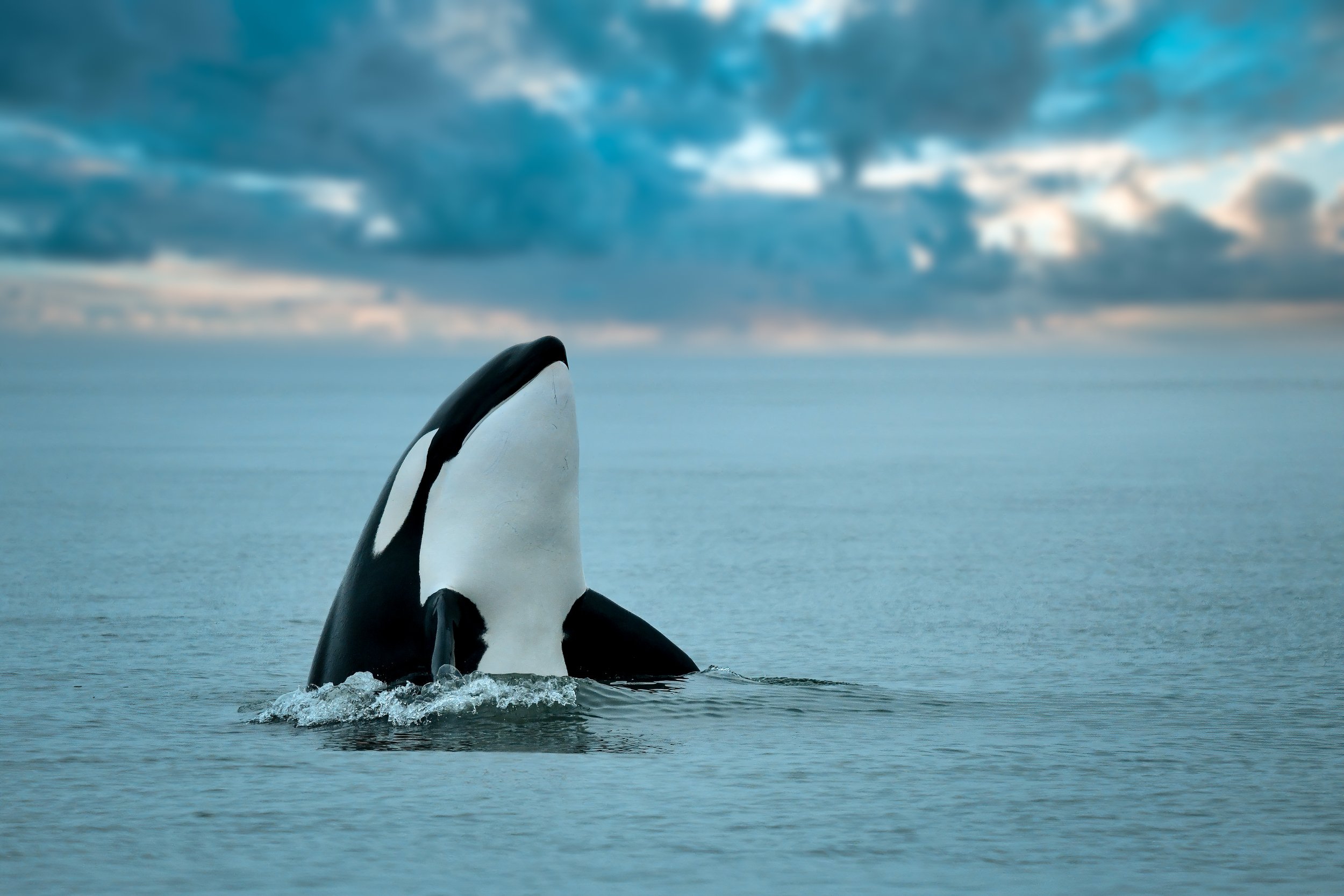
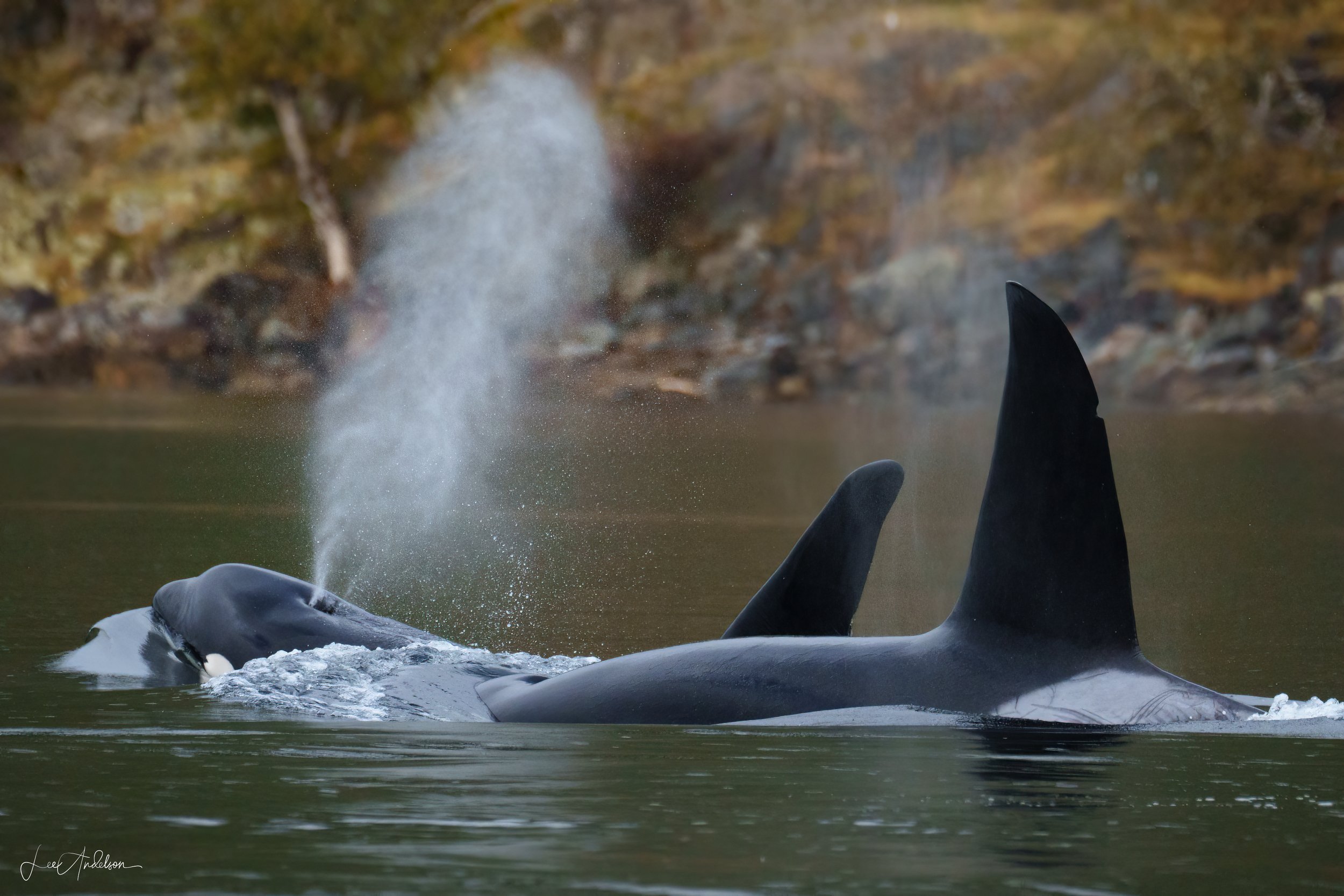
Step aboard and enter a world where orcas slice through glassy water, bald eagles patrol rugged shorelines, and the rich biodiversity of the Salish Sea surrounds you at every turn. Conditions change constantly here—light, weather, behavior—and no two days on the water are ever the same. Every outing offers a new opportunity to witness and photograph something extraordinary.
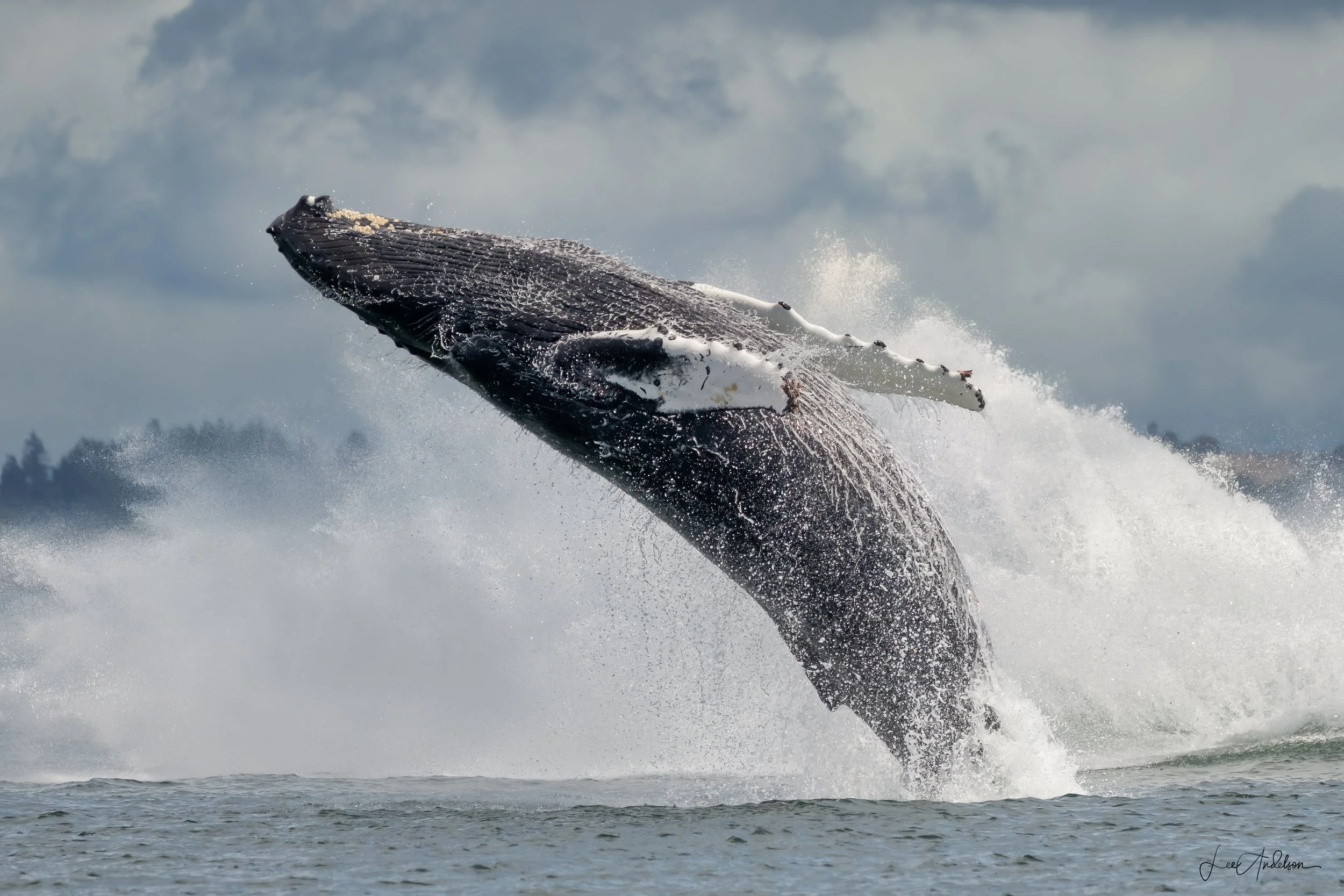
The San Juan Islands are one of the world’s premier destinations for marine wildlife photography. These waters are home to hundreds of species, from apex predators to seabirds and coastal mammals. From powerful killer whales and breaching humpbacks to playful seals and rare seabirds, the Salish Sea delivers world-class photographic opportunities in every direction.
This isn’t just another photography tour. With Wake Up To Adventure, each day on the water is an invitation to slow down, observe more deeply, and wake up to new techniques, new perspectives, and unforgettable wildlife encounters.
An Intimate Experience Designed for Photographers
This small-group experience is built for photographers who want more than checking species off a list. It’s designed for those who want to grow—technically, creatively, and instinctively—while immersed in one of the richest marine ecosystems on Earth.
With limited participants, there’s room for your gear, your creativity, and personalized instruction. The intimate setting allows for:
1-on-1 guidance tailored to your skill level and shooting style
Flexibility to linger when the action unfolds
A collaborative, supportive environment alongside fellow passionate photographers
From beginner to seasoned professional, you’ll leave with sharper techniques, deeper insight, and images you’ll be proud to share.
Potential Wildlife To Photograph Includes:
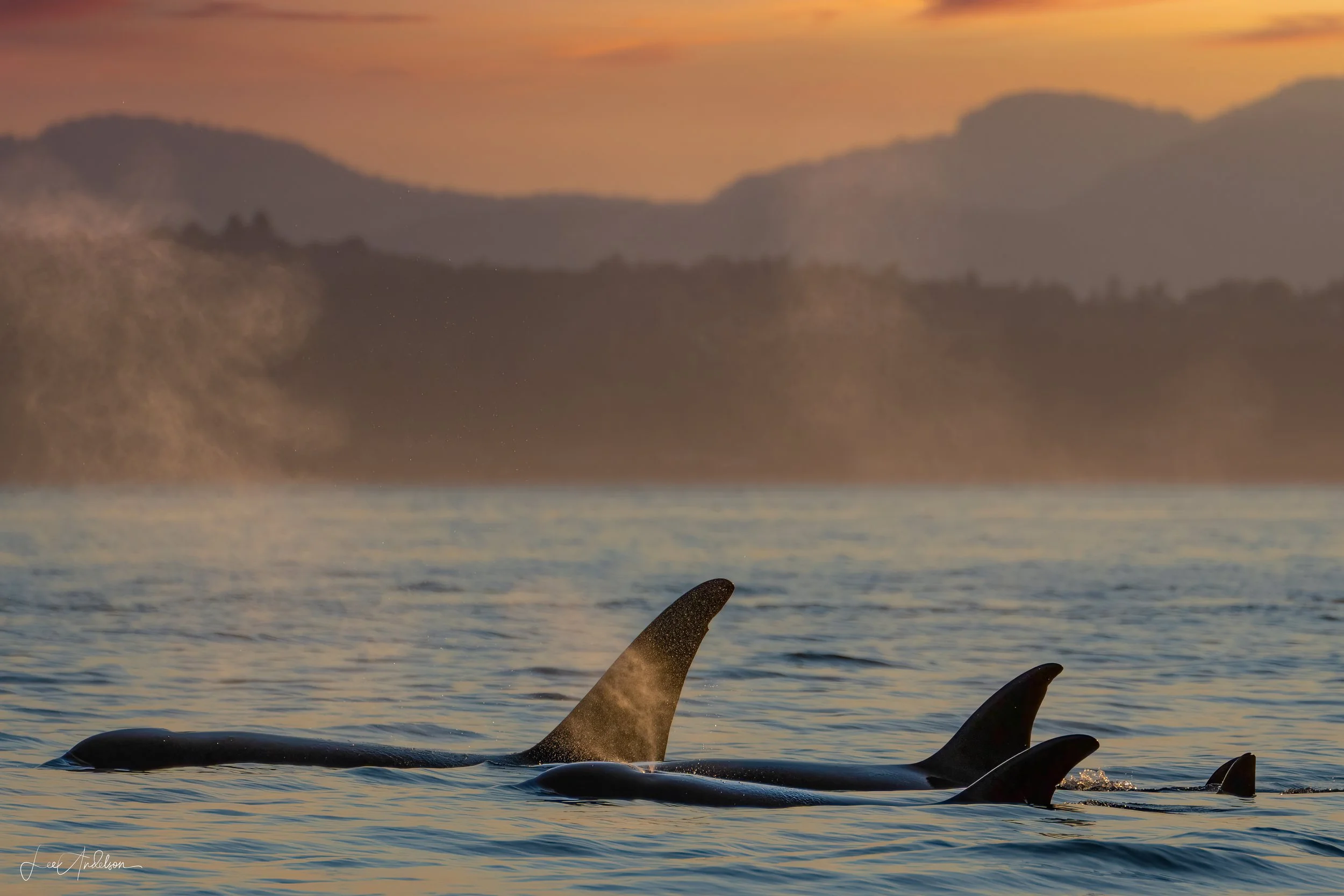
Orcas (Killer Whales) *High Probability
Humpback Whales *High Probability
Harbor Seals *High Probabability
Steller Sealions *Good Probability
Minke Whales *Good Probability
Grey Whales *Low Probability
Tufted Puffins *Good Probability
Rhinoceros Auklets *High Probability
Common Murres *High Probability
Elephant Seals *Low Probability
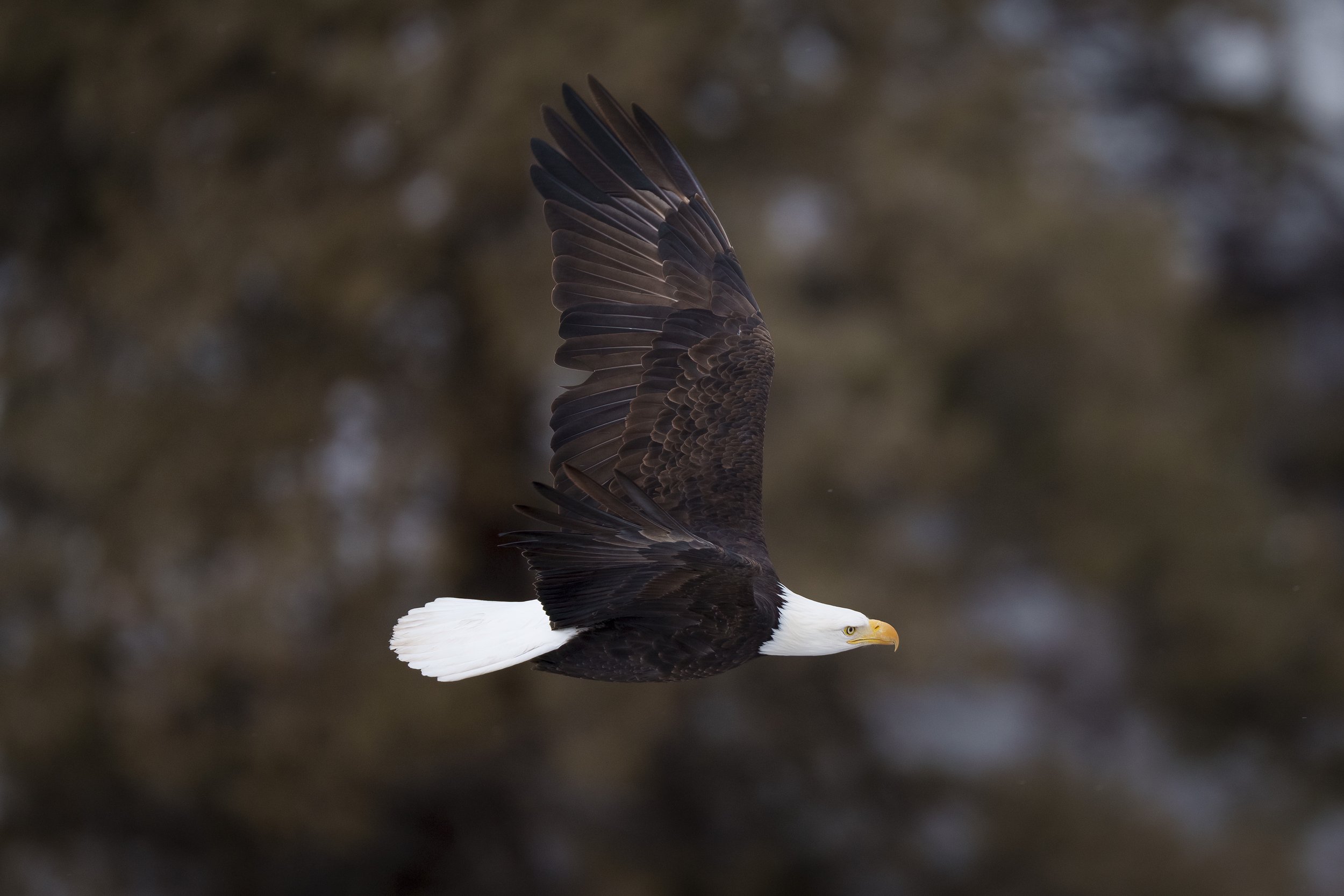
Bald Eagles *High Probability
Mouflon Sheep *Good Probability
Sitka Deer *Good Probability
Fallow Deer *Good Probabilty
River Otters *Low Probabilty
Sea Otters *Low to Good Probabilty
The Workshop Experience
At the heart of this workshop is one simple promise: your experience comes first.
Our goal is twofold. First, we want you to walk away with memory cards full of powerful, frame-worthy wildlife moments—the kind you don’t forget. Second, we want you to leave with real confidence: understanding why those images worked and how to consistently create them again.
Wake Up To Adventure workshops are led by experienced wildlife photographers trained in a wildlife-first, photographer-focused approach.
With years spent on the water, in remote landscapes and a deep understanding of animal behavior, light, and timing, every guide brings real-world experience into each day of the workshop—helping participants anticipate moments and create meaningful images in dynamic conditions.
Throughout the experience, you’ll dive into camera settings, field technique, and creative decision-making—but always in real time, in real moments. This isn’t theory in a classroom. It’s learning while it’s happening.
Most importantly, this workshop is not about the guide building their own portfolio. Lee is here for you. While he may take the occasional frame, his focus—at every wildlife encounter—is helping you get the shot. Your images are the priority. Always.
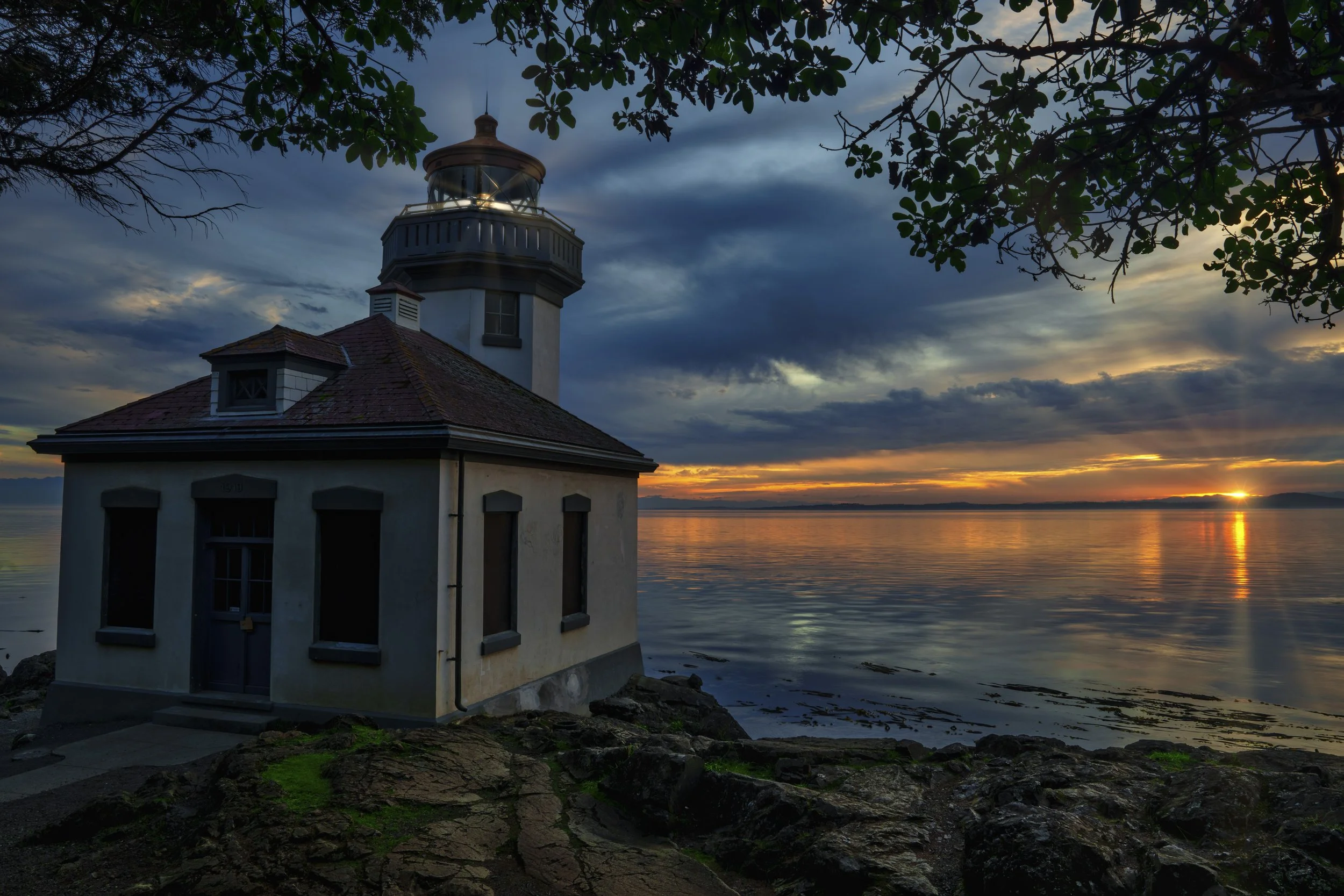
Our home base is Friday Harbor, a place that feels purpose-built for this kind of experience. The island itself is stunning, and with a little luck, wildlife can even be spotted from shore. Some of Lee’s favorite images have been made right there on the west side of the island, especially during early morning and sunset light—quiet moments we highly encourage you to explore.
This is more than a workshop.
It’s time on the water.
It’s learning through experience.
It’s connection—to wildlife, to place, and to your craft.
Welcome to Wake Up To Adventure.

Upcoming Tours & Investment
Orcas & PNW Marine Wildlife 2026
🗓️ 3 Days - San Juan Island, Washington
May 1 - 3, 2026 (Sold Out)
June 5 - 7, 2026 (Sold Out)
July 3 - 5, 2026 (2 Spots Remaining)
July 31 - August 2nd, 2026 (6 Spots Remaining)
September 25 - 27, 2026 (4 Spots Remaining)
October 9 - 11, 2026 (TBD, Please Enquire)
*Limited to 12 Participants
Investment:
From $2900 per guest
Single occupancy supplement available
*Travel to/from SJI not included
Orcas & PNW Marine Wildlife 2027
🗓️ 3 Days - San Juan Island, Washington
May 1 - 3, 2027 (Sold Out)
June 5 - 7, 2027 (Sold Out)
July 3 - 5, 2027 (2 Spots Remaining)
July 31 - August 2nd, 2027 (6 Spots Remaining)
September 25 - 27, 2027 (4 Spots Remaining)
October 9 - 11, 2027 (TBD, Please Enquire)
*Limited to 12 Participants
Investment:
From $2900 per guest
Single occupancy supplement available
*Travel to/from SJI not included
Orcas & PNW Marine Wildlife 2028
🗓️ 3 Days - San Juan Island, Washington
May 1 - 3, 2028 (Sold Out)
June 5 - 7, 2028 (Sold Out)
July 3 - 5, 2028 (2 Spots Remaining)
July 31 - August 2nd, 2028 (6 Spots Remaining)
September 25 - 27, 2028 (4 Spots Remaining)
October 9 - 11, 2028 (TBD, Please Enquire)
*Limited to 12 Participants
Investment:
From $2900 per guest
Single occupancy supplement available
*Travel to/from SJI not included
Note, although these wildlife tours sell out, there are often times a booking falls through. I highly recommend signing up for the waitlist using the form below – there’s still a good chance you’ll get in. However, this too is first come, first serve, so the earlier you get on the waitlist, the better your chances.
Enhancing Your Wildlife Photography Skills
While filling your memory cards with stunning images is a priority, this workshop is also designed to help participants at all skill levels become more skilled and confident wildlife photographers. Lee’s primary goal is to teach you the key fundamentals that every wildlife photographer should know. Whether you’re just starting or looking to refine your techniques, we’ll cover critical aspects of wildlife photography, including mastering ISO, aperture, and proper exposure in a variety of lighting conditions. You’ll learn how to set up and customize your camera to suit your personal shooting style, ensuring you’re always ready for that once-in-a-lifetime shot.
Understanding wildlife behavior is another essential component of capturing incredible images, and we’ll teach you how to anticipate movements and reactions while adjusting your camera settings on the fly. Whether you're tracking an orca surfacing in changing light or a sea lion diving through the waves, knowing how to adapt to the situation can make all the difference. From selecting the right shutter speed for action shots to achieving tack-sharp focus on moving subjects, this workshop will equip you with the skills needed to photograph wildlife confidently and effectively.
This hands-on experience is designed to be immersive, engaging, and tailored to your learning needs. Lee’s passion for teaching shines through in every moment, and his goal is to ensure you leave the tour not only with a collection of remarkable images but also with a deeper understanding of wildlife photography and the Salish Sea ecosystem. We can’t wait to help you grow as a photographer while you experience the magic of this incredible environment.
Highlights of The Tour
The adventure begins on Day 1, as you arrive at Friday Harbor, the picturesque hub of the San Juan Islands. After settling into your accommodations, you'll meet your guide, Lee Andelson, and the rest of the group for an evening orientation. This session will introduce the itinerary, cover essential gear preparation, and set the tone for an unforgettable wildlife photography experience.
On Day 2, you’ll embark on your first boat excursion, led by the incredible Captain Sara Shimazu. As you glide through the pristine waters of the Salish Sea, you’ll photograph iconic wildlife, including orcas, humpback whales, seals, sea lions, and a variety of marine birds. Lee will guide you in capturing these breathtaking moments, teaching techniques for photographing from a moving platform and anticipating animal behavior. After a day filled with wildlife encounters, you’ll return to shore for an evening workshop where you’ll explore Lightroom and Photoshop workflows to refine your images and bring out their full potential.
Day 3 starts with an early morning shoreline photography session, where you’ll capture the golden light as it illuminates the island’s dramatic landscapes. Afterward, you’ll have time to explore Friday Harbor or enjoy one-on-one mentoring with Lee, tailoring the session to your specific photography goals. The afternoon brings another incredible boat excursion, offering a final chance to encounter and photograph the region’s majestic wildlife. As the tour draws to a close, the group will gather for a heartfelt farewell. You’ll share highlights from the trip, exchange stories, and reflect on the remarkable images and memories you’ve created together.
This itinerary is carefully designed to provide exceptional wildlife photography opportunities while fostering growth in your skills. Changes may occur based on weather, wildlife activity, or group needs, ensuring the best possible experience for all participants.
Home base at Friday Harbor provides a charming and convenient setting, with excursions carefully planned to maximize your time on the water and your chances of incredible wildlife encounters. Complementing the hands-on shooting experience, evening workshops will refine your post-processing skills in Lightroom and Photoshop, ensuring your images are as stunning as the memories they capture.
Perfectly blending education, adventure, and camaraderie, this tour promises not just incredible photographs but an unforgettable experience in one of the Pacific Northwest’s most magical locations.

“Every Moment Can Be An Adventure - Capture It!”
Captured Moments, Lasting Impresions
-
![]()
“I’d always just used auto mode before this trip. Lee was super patient and explained things in a way that finally clicked. By the end of the tour, I felt totally comfortable adjusting my settings in the moment"
Marcus K, Seattle Washington
-
![]()
“I honestly didn’t expect to learn so much in just a few days. Lee helped me slow down and really understand how to capture what I was seeing. The moment we saw orcas breaking the surface was something I’ll never forget—and I actually got a shot I’m proud of!”
Dani M, Portland Oregon
-
![]()
“This trip helped me reconnect with nature in a way I didn’t know I needed. It wasn’t just about taking cool photos—it was about slowing down, watching, and learning. Lee has this calm energy that made the whole experience feel really meaningful.”
Jennifer Nguyen
-
![]()
New List Item
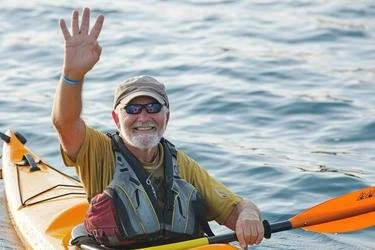
“What made this tour special was how personal it felt. It wasn’t a crowded boat or a touristy experience—it was intimate, respectful of the animals, and full of good conversation and quiet moments. I learned a lot just watching how Lee works.”


Photography Workshop FAQ’s
-
There are only 10 seats available for each photography workshop. The Vessel is US Coast Guard certified for 18 passengers, however wanting to maximize space for each photographer, we have limited the amount of seats available.
-
If there were two things I could control on every wildlife photography tour it would be weather and gaurantees of wildlife sightings. Unfortunately I can’t but keep in mind every time we head out into this dynamic ecosystem we have about an 80% chance of seeing cetaceans (whales), especially Orcas. The San Juan Islands are truly an incredible place where you can reliably find Orcas and other marine species all year. I imagine a lot of you would like to join in hopes of capturing images of orcas and I will do everything in my power and skillset to set you up for those opportunities. Workshops are offered May through October as those months have the greatest odds of finding the most species. Please understand whales can travel well over 100 miles in a single day and we simply do not just head over to “whale cove” to view and photograph these incredible mammals. Our captain will also be chatting with other boats out on the water that day sharing recent sightings too.
-
Yes! We will have a variety of snacks and beverages on the boat as well as a selection of lunch options for you to choose from a week or so before the workshop. I will email/contact you before you arrive to make your selection for the day. We will have lots of snacks for you to munch on, we don’t want you to get hungry over the 6 plus hours we will be out on the water. Please bring any snacks or beverages you like. Alcohol is not permitted.
-
Keep in mind this is a dedicated wildlife trip, so you’ll definitely want your large zoom lens. Using full frame, you’ll want at least 100-400mm and possibly bringing a teleconverter for extra reach. One of the super zooms is a good choice like the Nikon 200-500, Sigma 150-600, Tamron 150-600, or Canon 100-400. If you happen to have a big prime that’s awesome, however I find those to be to bulky and heavy to be handholding all day out on the water. Fixed prime lenses can be challenging as you are locked into a certain focal length and acquiring your target within the perfect frame might not be possible.
Tripods and Monopods are not allowed onto the boat as they can create a tripping and safety hazard but bring them along to the island as there can be a fantastic opportunities for a killer sunset landscape image!
I also highly recommend taking a short zoom for snapshots and it’s always possible a good landscape opportunity will crop up. Something like a 24-70 would be just fine.
Since it can be rainy at times, you also may want some sort of “rain jacket” for your gear (or at least borrow a towel from your hotel room).
When it comes to cameras, you’ll want as new of a DSLR as you can muster, preferably something from the last 3~4 years. We end up in a lot of tricky lighting scenarios, often requiring good dynamic range and good high ISO. So, the newer, the better. Any current Nikon or Canon is just fine.
You can always rent lenses and other gear before you send thousands of dollars on bigger glass. I recommend taking a look at rental sites like lensrental.com which offer affordable equipment rentals for photography workshops just like this. Oh, and don’t forget extra memory cards and batteries!
-
With plenty of elbow room and unobstructed views, boats J1 and J2, are the newest and most comfortable vessels from San Juan Island. The boats feature theater-style seating and a cabin for comfort in all conditions. There is excellent viewing from the outdoor bow and stern viewing decks, as well as unparalleled indoor visibility through the large cabin windows that fully open up. You are never seat-bound and can move freely between the cabin and all viewing areas. These boats have been specifically designed for wildlife photography tours all while keeping you incredibly comfortable!
-
If you feel like I have provided an excellent workshop tips are always appreciated but never expected. I would ask that you consider our Captain first as they are the ones that have kept us safe out on the water and have the wealth of knowledge when it comes to photographing these critters we came to see!
-
Yes. We may choose to rearrange / modify the schedule based on weather, unforeseen circumstances, or just better opportunities for you to get a better selection of images. The primary goal is for YOU to get as many great images as possible, and any schedule change will be based on meeting that goal.
-
Drones are not allowed on this photography tour. There are strict guidelines to fly drones around marine mammals in US waters and even stricter ones over the boarder in Canada. Please don’t ask for exceptions.
-
There are several ways to get here from Seattle, Vancouver, Victoria and the surrounding areas. Each of them are a beautiful adventure in their own right.
The most economical way to get here is on the Washington State ferry. The ferry departs from Anacortes, which is about a two hour drive north of Seattle and about two hours south of Vancouver. The ferry is a beautiful one hour ride through the San Juan Islands. You can drive your car onto the ferry or walk on.
If you are just coming to San Juan Island for the day, we highly recommend that you leave your car at the ferry terminal in Anacortes and walk onto the ferry. The ferry lands in downtown Friday Harbor and our tour departure location and all of the amenities in the town of Friday Harbor are walkable from the ferry landing. If you are bringing your car on the ferry we strongly encourage making a vehicle reservation. Walk-on passengers do not need a reservation.
The fastest way to get here is on a commuter plane or float plane with a company like Friday Harbor Sea Planes, which offer one way and round trip flights to Friday Harbor. It is a quick, gorgeous 25-30 minute flight up through Puget Sound and the islands.
Flights are also available from other mainland and Vancouver Island locations by regional operators such as Kenmore Air, San Juan Airlines, Westwind Aviation and Rite Bros.
Feel free to ask us if you have questions about the best way to get here from where you are starting your journey.
-
San Juan Island has many great hotels and accommodations right in town. My favorite place to stay is Friday Harbor House. They offer beautiful rooms, some looking over the harbor and have a great restaurant. If you are looking for something a little more budget friendly, I recommend Earth Box or Web Suites. Friday Harbor also has some very charming Bed and Breakfast, one of my favorite being the Trumpeter Inn! You can also find some great AirBNB’s too! Most of these accommodations are within walking distance of our meeting place and the dock from which we depart.
-
If you have some extra time or love getting up early for some of our feathered friends, there are some great opportunities for wildlife photography all over the island. First I’d make my way down to the south end of the island and check out Cattle Point Lighthouse and Jacksons Lagoon. There you can find active foxes looking for their next meal and many different bird species hanging around the small lagoons. There are also great hikes in the area, all relatively flat with stunning views. If you find yourself on the south end at sunset, its a great place to have a beach fire in one of the fire pits at South Beach. If your looking for the best sunset on the island, I’d head to the westside to Lime Kiln State Park. There you can photograph the lighthouse and the setting sun and maybe even get a glimpse of whale out on the water. If you are interested in learning more about the history of the area and the island, visit the San Juan Historical Museum in Friday Harbor, the interpretive centers at American Camp and English Camp National Parks and Lime Kiln State Park. The island is very bike friendly and has some great routes to explore. The island shuts down for the most part pretty early but has some great dinning options. I love Down Riggers and Coho for dinner and Friday Harbor House and Madrone Cafe for lunch. There are plenty of small coffee shops and bites to eat in town. One of the most fun activities you can do on the island is at night! There are several outfitters that do bioluminescence kayak tours that can be a real treat to see. This is dependent on weather and the time of year so be sure to check when the best time is for an awesome evening out kayaking!
-
It is always cooler on the water, even when it feels warm on shore, and especially in the late afternoon and evening. In the Pacific Northwest, we believe in layers! Even for summer adventures, bring layering options such as a sweatshirt, jacket and long pants. For evening tours you will want to bring that extra layer. For Spring, Fall and Winter tours, bring heavier layers; a heavier warm jacket, hat, gloves and close-toed shoes. You will be more comfortable having too many layers than not enough.
With an average of 247 days of sunshine, we always recommend that you bring sunglasses.
-
We go out rain or shine, but our tours are weather dependent. We do not go out in excessively heavy rain, big seas or thick fog. We are inland from the Pacific coast and in a rain shadow, so we rarely need to cancel tours. In the event it does rain during your tour, our boat has an enclosed cabin with indoor seating and wrap around windows for viewing.
-
The waters around the San Juan Islands are inland and protected from the ocean swells of the open Pacific. And with hundreds of islands in the San Juans and Canadian Gulf Islands, we are in sight of land throughout our tour. Because of these two factors, sea sickness is generally not an issue. If you are especially prone to motion sickness, we recommend taking your preferred remedy prior to your tour. In the event someone needs a little extra support, we also carry ginger candy, ginger tablets and sea-band acupressure bracelets onboard.
-
Yes! The vessel has a head, or marine bathroom, for your convenience.
-
If we have wildlife reports in Canadian waters the day of your tour you will not need your passport to enter while we are on the boat. We are allowed into Canadian waters but if you do plan on spending some time on land in Canada before or after your workshop be sure to bring your passport along.
